
Birth Date:24 April 1983
About Me
The Man Behind the Legend: Mac Mohan - Biography, Filmography, and the Enduring Legacy of 'Sambha'
Introduction
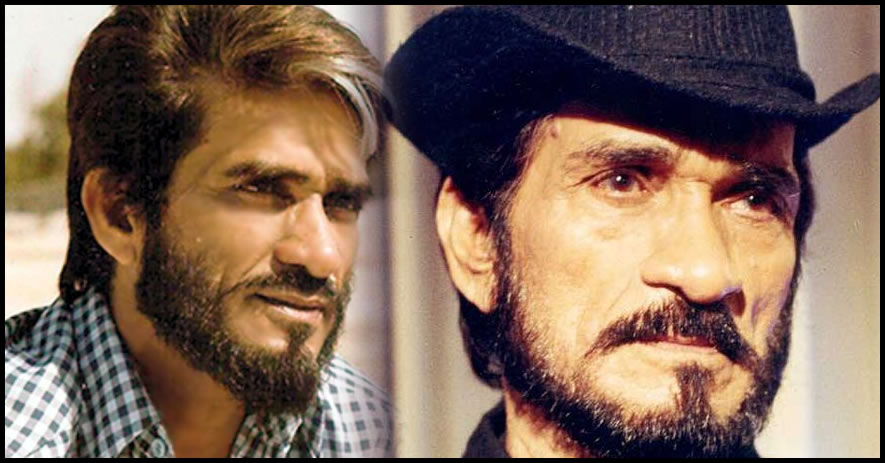
In the vast landscape of Indian cinema, some actors become immortal not through lead roles, but through a single, iconic character that etches itself into the collective memory of a nation. Mac Mohan, born Mohan Makijany, was one such actor. Though he appeared in over 200 films across five languages, his name will forever be synonymous with one of Bollywood's most legendary villains, Gabbar Singh's henchman, Sambha, from the timeless classic Sholay. This article explores the life, career, and enduring legacy of this remarkable character actor.
Biography and Early Life
Born in Karachi, British India (now Pakistan), Mac Mohan's family moved to Lucknow, Uttar Pradesh, after the partition. He initially harbored a dream of becoming a professional boxer but later shifted his focus to acting. In 1960, he moved to Mumbai to pursue his passion for the performing arts. He began his career in theater, where he honed his skills and learned the nuances of acting, which would later serve him well in his long film career.
Filmography: More Than Just a Character Actor
While Mac Mohan's most famous role was brief, his career was extensive and spanned over four decades. He was a dependable presence in Bollywood, often cast as a villain or a henchman, but his work showcased a versatile actor who could bring depth to even the smallest of roles.
Sholay (1975): This is, without a doubt, the film that immortalized him. As Sambha, the quiet and watchful aide of Gabbar Singh, he had only three lines, but his presence was so formidable that he became an iconic part of Indian pop culture. His catchphrase, "Sarkar, maine namak khaya hai," is still instantly recognizable.
Don (1978): In this classic crime thriller, he had a significant role as one of the key members of the Don's gang. His collaboration with Amitabh Bachchan in this film, as in Sholay, was a notable part of his career.
Zanjeer (1973): He was part of the cast of this groundbreaking film that established Amitabh Bachchan as the "Angry Young Man." His presence in these key films of the 70s cemented his status as a recurring and reliable character actor.
Karz (1980): In this reincarnation thriller, he played a crucial role in the villain's team, contributing to the film's suspense and drama.
Satte Pe Satta (1982): He was part of the large ensemble cast in this beloved comedy, showcasing his ability to fit into different genres.
Over his career, Mac Mohan worked with some of the biggest names in the industry, including Manmohan Desai, Ramesh Sippy, and Prakash Mehra. His filmography also includes roles in regional cinema, including Punjabi and Telugu films.
The Legacy of 'Sambha'
Despite a career filled with hundreds of roles, Mac Mohan's legacy is defined by a character with just a few minutes of screen time. The impact of Sambha from Sholay is a case study in how a powerful character and a strong performance can transcend dialogue and screen time. The character became so iconic that it was parodied and referenced in countless films, TV shows, and advertisements, ensuring that his image and his name would live on.
In interviews, Mac Mohan often spoke about the double-edged sword of his fame as Sambha. While it brought him recognition and respect, it also typecast him, making it difficult to secure different kinds of roles. However, he remained proud of his contribution to one of Indian cinema's greatest masterpieces.
Personal Life and Final Years
Mac Mohan's personal life was largely kept away from the public eye. He was the maternal uncle of actress Raveena Tandon. His daughter, Vinati Makhan, has also ventured into film production.
After a long battle with cancer, Mac Mohan passed away on May 10, 2010, at the age of 71. His death marked the end of an era, but his legacy as the formidable Sambha continues to be a source of nostalgia and admiration for film lovers across generations.
Conclusion
Mac Mohan's journey is a powerful reminder that an actor's impact is not measured by the length of their role but by the impression they leave on the audience. As an actor who gave us a memorable performance that will be talked about for decades, he truly embodies the essence of a cinematic legend.